
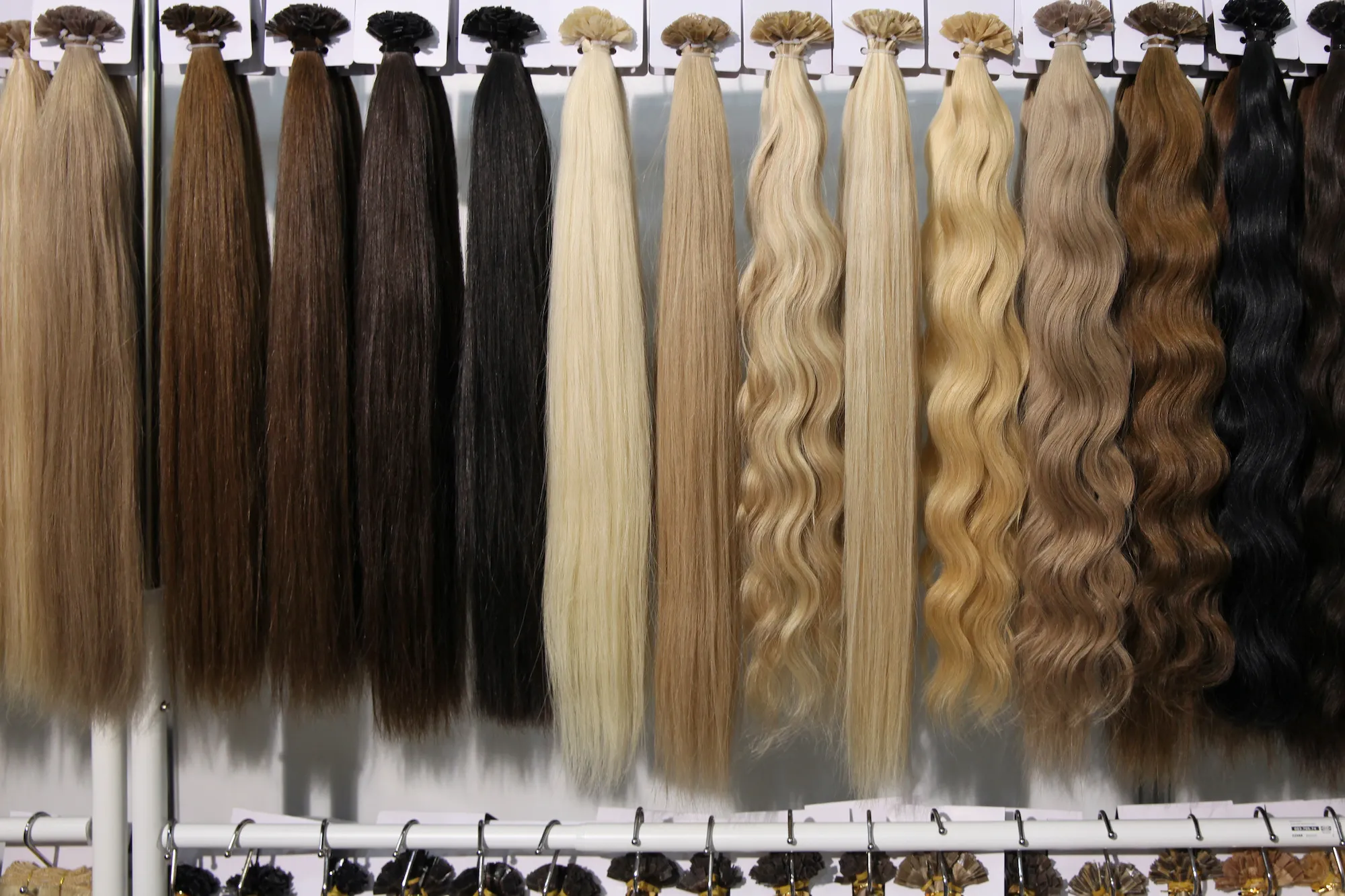
The Ultimate Guide to the Best Hair Extensions
You can’t buy time, but you can buy hair! After the bob trend dominated the first half of 2026, it’s no surprise that extensions are back in a big way. They’re not just for growing out a short hairstyle, either. Anyone looking to add extra length, volume or versatility to their look can benefit from extensions. However, choosing where to start can feel overwhelming.
Extensions come in many different forms, each with its own application methods and maintenance routines. Finding the best combination for you depends on your hair type and lifestyle. Use this guide to build a foundation of knowledge, then work with a licensed professional to customize your extension experience to your needs.
What Are Hair Extensions?
Hair extensions are small, individual pieces of hair, either human or synthetic, that can be applied close to the scalp to create the appearance of longer or thicker hair. Because they are temporary, extensions are also a great way to experiment with color without chemical processing. They’re also a perfect option for special events when you want additional styling options. People experiencing hair loss may also choose extensions to help conceal thinning or bald areas, depending on their individual needs.
What Are the Best Hair Extensions?
Not all extensions are created equal. In terms of quality, synthetic hair, made from artificial fibers, is generally the more affordable option. While it may have a less natural appearance than human hair, it can be a good choice for short-term styles.
Human hair extensions come in a wide range of qualities, and there is no universal grading system. However, some common terms include:
- Remy hair: The outer cuticles are intact and aligned in the same direction, creating a smooth appearance.
- Virgin hair: Hair that has never been chemically processed.
- Single-donor hair: Hair sourced from one person, which can provide a more consistent texture.
Higher-end hair isn’t necessarily the best choice for everyone. Each type of extension has its own pros and cons, depending on your goals, budget and maintenance preferences.
Human Hair Extensions
- Natural appearance and movement
- Can typically be heat-styled
- Longer lifespan with proper care
- More expensive
Synthetic Hair Extensions
- Lower cost
- Limited heat-styling capabilities, depending on the fiber
- Great for short-term styling and experimentation
Types of Hair Extensions
In addition to choosing the extensions themselves, you’ll need to consider the application method, any lifestyle adjustments required, the frequency of touch-up appointments and the maintenance needed between visits. These factors make choosing an experienced professional and scheduling an in-depth consultation crucial to maximizing your investment and protecting your hair’s long-term health.
Hand-Tied Extensions
Hand-tied extensions typically use a large piece of hair called a weft, which is secured to the natural hair using small beads anchored along the scalp. The weft is then sewn into place. These larger hair pieces are ideal for adding length and volume and can be a great option for many hair types. Depending on your hair growth and the installation method, you may need a maintenance appointment every six to eight weeks.
Tape-In Extensions
If time is a consideration, tape-in extensions can be a great option. These extensions are secured close to the scalp using adhesive tape, creating a comfortable and discreet finish. They typically require repositioning every six to eight weeks. Be sure to follow a consistent nightly maintenance routine to help prevent tangling and matting.
Keratin Bond Extensions
Keratin bond extensions generally take the longest to install but can provide a seamless, natural-looking result. Small sections of extension hair are attached to equally small sections of natural hair using a keratin-based adhesive that is softened with heat or a specialized application tool. Because the bonds are small, this method allows for precise placement and customization. Depending on your hair growth and maintenance needs, appointments may be spaced three to six months apart, although your stylist may recommend more frequent maintenance.
Clip-In Extensions
Clip-in extensions are similar to tape-ins in that they can add length and volume without permanently altering your natural hair. However, instead of adhesive, they use clips that can be removed each night. Clip-ins are ideal for special occasions, photo shoots or anyone who wants the flexibility to change their look temporarily. They can even be applied at home, although achieving a seamless blend may take practice.
How to Choose the Best Hair Extensions for Your Hair Type
Fine Hair
People with fine hair often turn to extensions to add volume, but it’s important to avoid putting too much weight or tension on the hair and scalp. Lightweight options, such as tape-ins or keratin bonds, may work well for those seeking a longer-term solution when properly applied. Clip-ins can also be a good alternative if you prefer to remove your extensions regularly and give your natural hair a break.
Medium Hair
Medium-density hair is generally compatible with a wide range of extension methods. Work with your stylist to determine which option best complements your hair, desired results and lifestyle.
Thick Hair
With thick hair, the goal is to create a seamless blend between your natural hair and the extensions. This can be challenging when working with smaller extension pieces, especially if your natural hair is also textured. Hand-tied extensions can be a great option for adding length and volume, although the added hair may create too much bulk for some people. Keratin bonds can also provide a seamless result, but thick hair may require longer appointments and a greater investment.
Curly or Textured Hair
Choosing extensions that match your natural curl pattern and hair density is essential for achieving a seamless, natural-looking blend. Working with a stylist experienced in textured hair helps ensure proper placement, blending and a customized approach that protects your natural curls.
How to Maintain Hair Extensions
Daily Care Tips
Proper maintenance is key to keeping your extensions looking their best between appointments and to prevent matting and tangling. Brush your hair gently twice a day, avoid sleeping with wet hair and use a satin pillowcase, bonnet or scarf. You can also protect your hair at night by wearing it in a loose braid or another recommended protective style. Sleeping is when you can experience some of the most damage, so take extra precautions for best results.
When washing your hair, use a gentle shampoo and lightweight conditioner. Avoid scrubbing too aggressively, especially around tape-ins and keratin bonds, and follow your stylist’s recommendations for washing and conditioning your specific extensions.
Professional Maintenance Appointments
Maintenance schedules vary from person to person based on lifestyle, hair growth rate and extension type. Your stylist will recommend a timeline during your consultation, and you can adjust it over time based on how your natural hair and extensions respond.
Consistent daily care can help keep your extensions looking their best between appointments and maintain a seamless blend with your natural hair.
Products to Avoid
Extensions require special care and may be damaged by certain products or styling practices, particularly when used excessively. Depending on your extension type, your stylist may recommend avoiding or limiting:
- Heavy butters and oils: These can weigh down the hair and may affect adhesive bonds.
- Alcohol-heavy styling products: Some formulas can contribute to dryness or buildup.
- Excessive protein treatments: Too much protein can leave some hair feeling stiff or brittle.
- Excessive heat styling: High temperatures can damage extension hair, especially synthetic fibers.
- Coloring and chemical treatments: These can compromise the integrity of extension hair and should only be attempted with professional guidance.
Always check with your stylist before introducing new products or treatments into your routine.
Choose Lisa Brown SalonSpa for Your Hair Extensions
If you’re ready to explore hair extensions, schedule a consultation at Lisa Brown SalonSpa with one of our professional stylists. We’ll help you find an option that complements your natural hair, fits your lifestyle and brings your desired look to life.